Personal Goals for Students: Building Student Agency Through Meaningful Learning Objectives
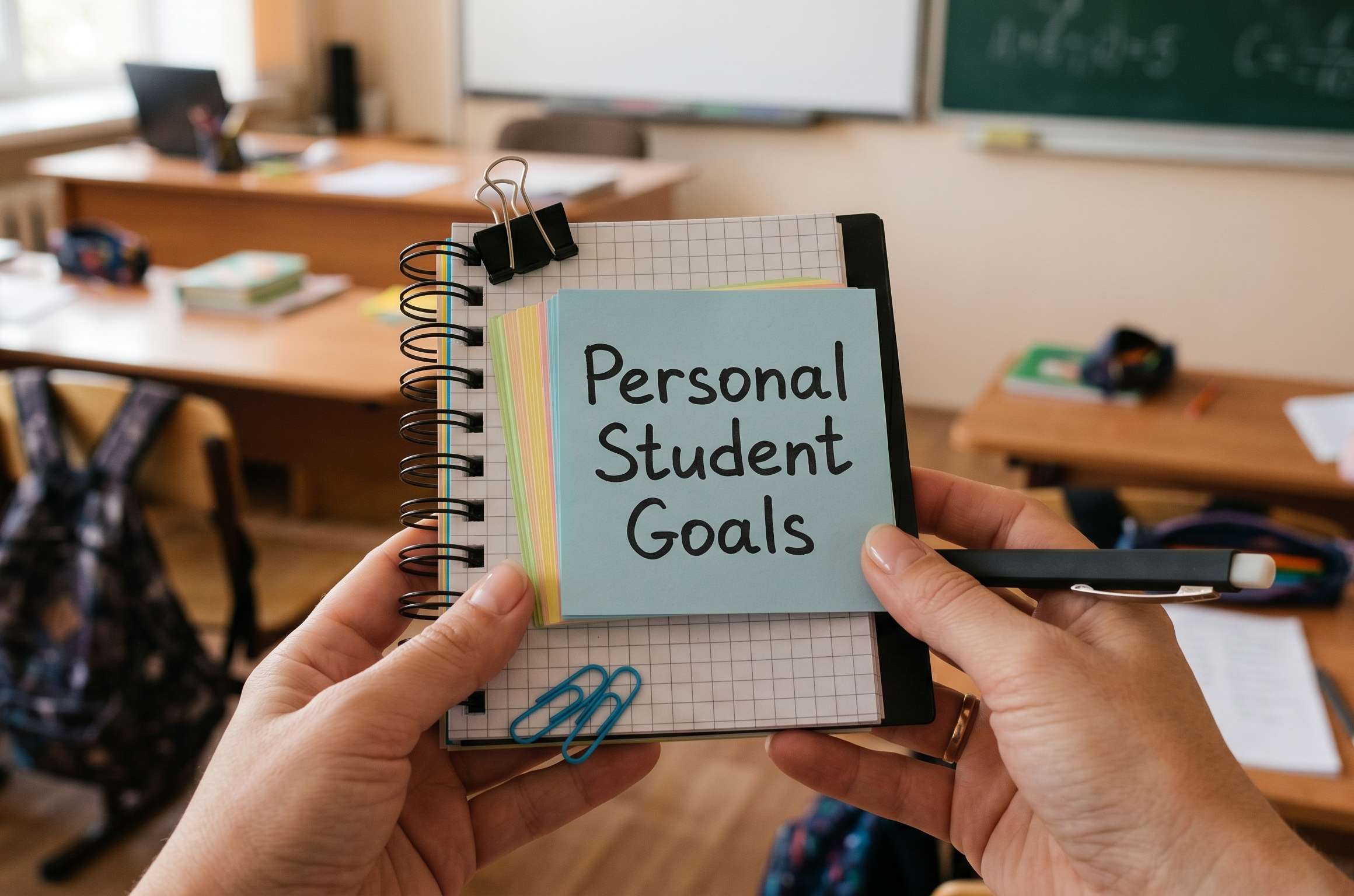
Students write their learning targets with enthusiasm at the start of the semester—wanting to be more confident during presentations, more consistent with assignments, or improve time management. Yet as the semester progresses, these targets gradually fade away and no longer influence daily learning. Often, goal setting becomes an administrative formality: written once, stored, but never discussed or reflected upon again.
Yet when students understand their own personal learning objectives, the learning process undergoes significant transformation. They no longer complete tasks merely for grades, but begin to understand the direction of their own development. This is a student agency—the ownership and active awareness students have over their learning journey.
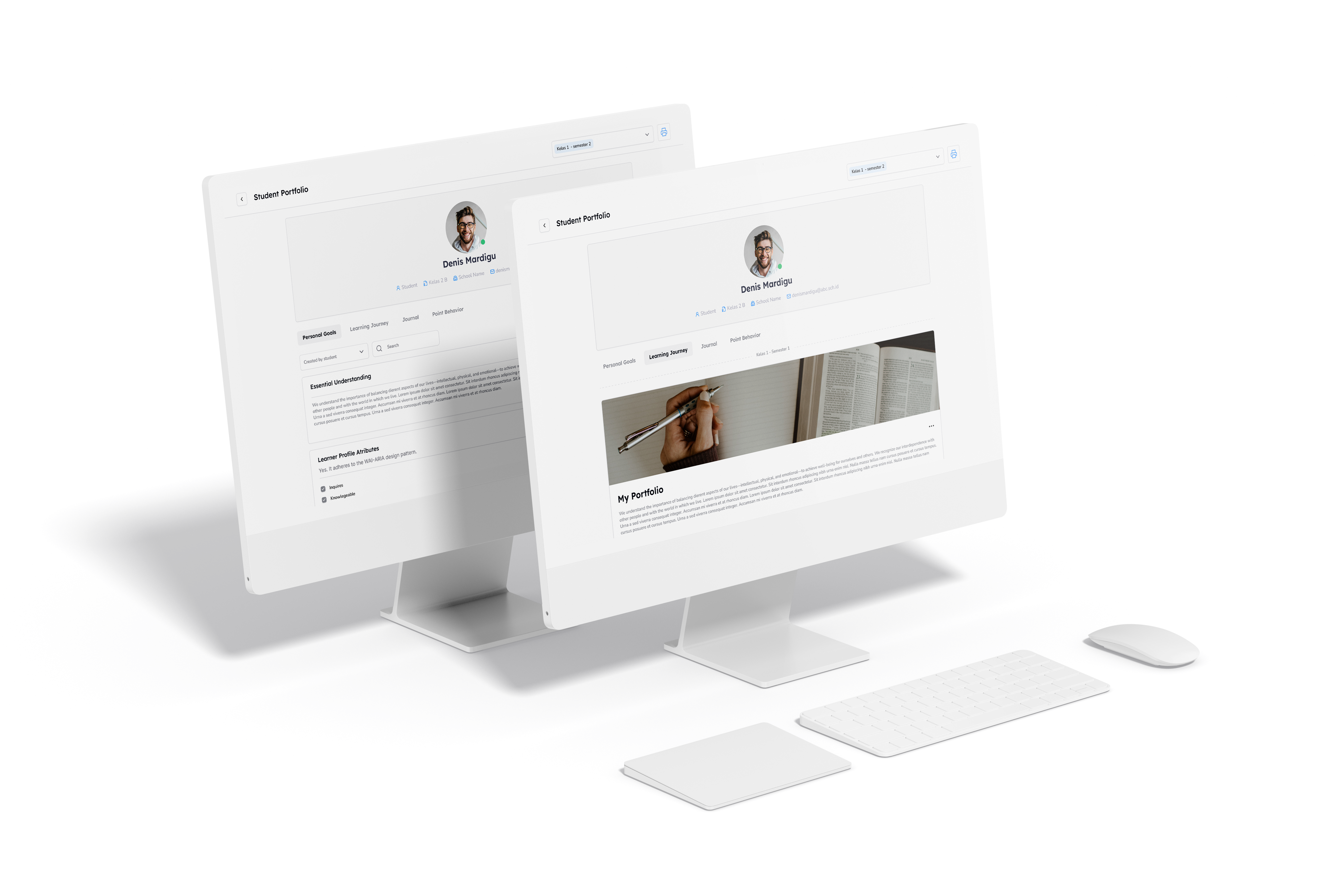
Personal Goals within the Student Portfolio is designed to make this sustainable: not just a place to write targets at the start of the semester, but a living reflection space where students can review, adjust, and understand their own learning direction.
Why Traditional Goal Setting Often Fails
In current learning practices, learning targets often appear as administrative activities disconnected from real learning processes. Students write their objectives, teachers review them, then learning proceeds as usual without revisiting those goals. Goals are written statically at the beginning, never reviewed or updated. They are not integrated with daily learning, so students forget their relevance. Parents and teachers are not involved in conversations about student progress. As a result, goal setting fails to function as a compass for development.
Students begin to forget what they actually want to achieve. Teachers struggle to track individual student progress. Conversations about learning tend to focus on end-of-semester results rather than the growth process happening in real time. Yet meaningful learning is not just about outcomes—it's about learning awareness and students' understanding of themselves as learners.
Personal Goals: Living Objectives That Continuously Evolve
Personal Goals are designed differently. There are three crucial things that distinguish it from traditional goal setting.
First: Flexibility without rigid templates
Students are free to set objectives that match their own personal reflection. Goals can come from:
Daily learning experiences ("I struggled with group work, so my goal is to be more open to listening to my classmates' ideas")
Official learning indicators ("I want to master text analysis according to the Learning Achievement standards for this semester")
Character building ("I want to be more consistent and disciplined in submitting assignments on time")
Learning skills ("I want to improve my ability to take notes and organize information from readings")
Every student develops in different ways, and all these types of goals are equally important in supporting holistic development.
Second: Teachers as mentors
Teachers are not just instructors—they become mentors who understand each student's development journey. Teachers actively help students set relevant and realistic goals, especially at early childhood and elementary levels. This shifts conversations from result evaluation to supporting development.
Third: Goals that evolve
Goals can and should be reviewed regularly. When there is new progress, changing interests, or challenges encountered, students adjust their objectives. This process keeps goals relevant to real-time learning contexts.
Students begin to understand that learning is not about achieving targets instantly, but about continuous development. They learn to reflect on their learning consciously:
What has already developed?
What still presents a challenge?
What is the next step?
From here, student agency truly emerges
Students no longer simply follow the learning process designed by the school. They develop:
Self-awareness about their strengths and areas for growth
Ownership of their own development
Autonomy to adjust their learning strategies
Internal motivation because their goals are authentic and personal
This approach enables schools to monitor student development continuously and holistically, not just based on end-of-semester report cards.
Integrating Personal Goals into Learning
Personal Goals is not just a standalone feature—its presence within the Student Portfolio creates a more complete learning ecosystem. Students, teachers, and parents can see progress holistically, not just end-of-semester results.
For a deeper understanding of how portfolios support continuous progress monitoring, read our article: Digital Student Portfolio: An Effective Way to Monitor Student Learning Development Continuously.
Personal Goals play an important role in this context: becoming the heart of continuous reflection that creates authentic student agency.
Transformation Starts Here
Educational transformation often begins with small things that seem simple, yet have profound impact. It's about helping students understand that learning is not just about completing tasks or getting high grades, but about recognizing their own development as learners who are constantly growing.
When students have objectives they understand and own themselves, learning no longer feels like an external obligation. Learning becomes a journey they undertake with clear direction, deep awareness, and authentic ownership.
Personal Goals within Student Portfolio helps schools shift their learning paradigm—from focusing on end-of-semester results to supporting continuous development. Students are more engaged because their goals are authentic. Teachers have deeper insight into each student. Parents are involved in meaningful conversations about development. Schools build a reflective and authentic learning culture.
Want to See How This Works?
Personal Goals are designed to be simple, yet its impact is significant. If you're curious about how this feature can be implemented in your school—or want to see firsthand how students, teachers, and parents interact with it—we're ready to show you.


Popular Articles

The Journal in Student Portfolio: Building a Genuine Reflection Habit in Students
Initial Assessment: A Small Step Towards Deep Learning
Teaching at the Right Level (TaRL): A Flexible Approach to Teaching in Kurikulum Merdeka
Empowering Teachers for Transformative Learning: The Digital Transformation Journey of Sekolah Papua Harapan
Learning Journey: Empowering Students to Understand Their Own Learning Progress